

Environmental, Social, and Governance (ESG) initiatives have evolved from regulatory compliance requirements to strategic imperatives that drive business value, innovation, and competitive differentiation. Forward-thinking organizations are discovering that comprehensive ESG transformation not only meets stakeholder expectations but creates tangible business benefits that extend far beyond risk mitigation.
The Evolution of ESG: Beyond Compliance
The traditional approach to ESG has been largely reactive, focused on meeting regulatory requirements and satisfying external reporting obligations. However, this compliance-first mindset often results in fragmented initiatives, inconsistent data collection, and limited business impact. Organizations that view ESG through this narrow lens miss significant opportunities to create value, drive innovation, and build sustainable competitive advantages.
Leading organizations are shifting toward a strategic ESG approach that integrates sustainability considerations into core business processes, decision-making frameworks, and long-term planning. This transformation requires fundamental changes in how companies collect data, measure performance, and engage with stakeholders across their entire value chain.
Data Integration: The Foundation of ESG Excellence
One of the most significant challenges organizations face in ESG transformation is data fragmentation. Environmental metrics may be tracked by facilities management, social impact data managed by HR, and governance information maintained by legal and compliance teams. This siloed approach makes it nearly impossible to gain comprehensive insights or identify strategic opportunities for improvement.
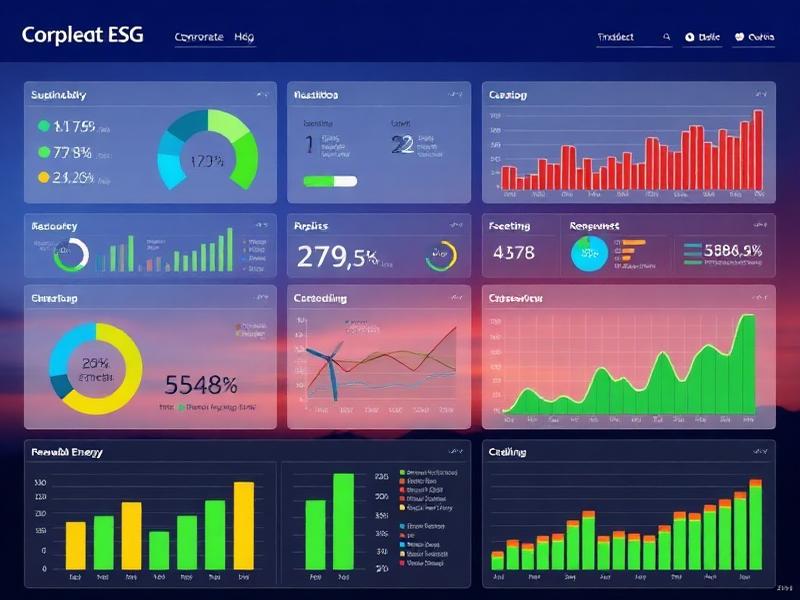
Modern ESG dashboards providing integrated sustainability metrics and performance tracking
Creating Unified ESG Data Ecosystems
Successful ESG transformation requires establishing integrated data ecosystems that connect environmental monitoring systems, social impact tracking platforms, and governance reporting tools. This integration enables organizations to identify correlations between different ESG factors, understand the full impact of business decisions, and optimize their sustainability strategies holistically.
Advanced analytics and AI capabilities can help organizations identify patterns and opportunities that would be impossible to detect through manual analysis. For example, companies might discover that improvements in employee engagement (social) correlate with reduced energy consumption (environmental) and better risk management practices (governance).
Stakeholder Engagement: Building Trust Through Transparency
Trust is the cornerstone of successful ESG transformation. Stakeholders – including investors, customers, employees, and communities – increasingly demand transparency and accountability in sustainability efforts. Organizations that fail to build and maintain trust risk facing skepticism, criticism, and accusations of "greenwashing" that can damage their reputation and business performance.
Moving Beyond Green Marketing
Authentic ESG transformation requires substance over marketing. Organizations must be prepared to make real commitments, invest in meaningful changes, and report honestly on both successes and challenges. This authenticity builds credibility and creates stronger relationships with stakeholders who value genuine commitment to sustainability.

Cross-functional teams collaborating on comprehensive ESG strategy development
Operational Excellence Through ESG Integration
The most successful ESG transformations embed sustainability considerations directly into operational processes and decision-making frameworks. This integration creates natural feedback loops that drive continuous improvement and innovation while ensuring that ESG factors are considered in every business decision.
Supply Chain Transformation
ESG transformation often reveals significant opportunities for supply chain optimization. Organizations can work with suppliers to improve environmental performance, enhance labor practices, and strengthen governance standards. These collaborative efforts often result in cost savings, risk reduction, and innovation opportunities that benefit all parties involved.
Innovation and Product Development
ESG considerations can drive innovation in product development, service delivery, and business model design. Companies that integrate sustainability thinking into their innovation processes often discover new market opportunities, develop more efficient solutions, and build stronger customer relationships based on shared values.
Measuring Impact: From Metrics to Meaningful Change
Effective ESG transformation requires robust measurement frameworks that go beyond traditional compliance metrics. Organizations need to track leading indicators that predict future performance, measure the business impact of sustainability initiatives, and demonstrate progress toward long-term goals.
Financial Performance Integration
The most compelling ESG transformations clearly demonstrate connections between sustainability initiatives and financial performance. This might include cost savings from energy efficiency programs, revenue growth from sustainable products, or risk mitigation benefits from improved governance practices.
The Competitive Advantage of ESG Leadership
Organizations that successfully transform their ESG approach gain multiple competitive advantages. They attract and retain top talent who value purpose-driven work, build stronger relationships with customers who prioritize sustainability, and access capital markets that increasingly favor ESG leaders.
ESG leadership also creates resilience against future regulatory changes, market shifts, and stakeholder expectations. Companies that proactively address sustainability challenges position themselves to thrive in an increasingly ESG-conscious business environment.
The transformation from compliance-focused ESG to strategic sustainability leadership requires commitment, investment, and cultural change. However, organizations that make this journey successfully create lasting value for all stakeholders while building more resilient, innovative, and profitable businesses. The question is not whether to embark on this transformation, but how quickly and effectively your organization can make the transition.